
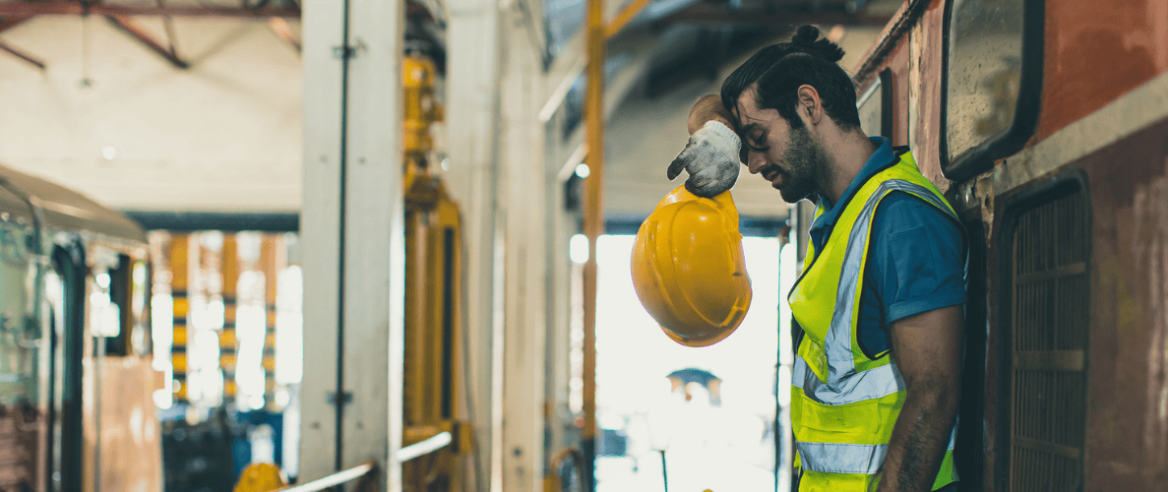



Across emerging markets, rising heat is reshaping lives and livelihoods. Beyond health impacts, heat is also imposing substantial economic costs. In 2023 alone, heat-related productivity losses erased USD 141 billion from India’s economy. Four Asian countries risk losing USD 65 billion in export earnings by 2030 from textiles and apparel as high heat reduces productivity and working hours. For global buyers (i.e., global businesses that source from emerging markets), unmanaged heat translates into significant supply chain disruptions, and compliance and business risks. Addressing the impacts of heat on workers, workplaces, and supply chains can deliver significant benefits for manufacturers and the global buyers that depend on them in a rapidly warming world.
Why heat adaptation matters now and the benefits it delivers to manufacturers and global buyers
Effective heat adaptation can deliver significant benefits across the supply chain—for manufacturers and global buyers alike. Yet action has not kept pace: heat remains severely underfunded and operationally under-addressed.
For manufacturers, the gains are direct. Heat adaptation can deliver:
- Greater productivity,
- Improved quality assurance,
- Lower operational costs, and
- Safer workplaces.
For instance, ~30% of workers are less productive in hot conditions, with productivity falling by ~2.6% for each degree above 24°C WBGT[i]. For manufacturers in emerging markets, many of whom operate on thin margins, even small drops in output can significantly erode profitability. Heat adaptation can help improve worker performance in high heat conditions, protecting margins and improving workplace safety.
For global buyers sourcing from emerging markets, the benefits of heat adaptation extend beyond the factory floor:
- By reducing heat-related disruptions, heat adaptation strengthens supply chain reliability, limiting shipment delays, missed delivery windows, and inconsistent output.
- Further, investors, consumers, and ecosystem stakeholders are increasingly demanding that companies ensure safe and dignified working conditions for workers across their supply chains, and regulatory frameworks are shifting in response. In this evolving context, heat adaptation is becoming increasingly critical for safeguarding reputation.
These developments signal a clear shift: unmanaged heat is no longer an invisible risk. Managing heat is now central to strengthening manufacturing, building resilient supply chains, and safeguarding brand protection.
Low-cost actions manufacturers can take today
There is a common perception that adapting to heat requires significant investment. While engineering solutions can be costly, low-cost operational measures can meaningfully reduce heat stress and help businesses start on their heat adaptation journey. Some low-cost actions include:
- Breaks for rest and hydration: Proper hydration is linked to a 14% improvement in workplace performance, and rest in cooler areas further reduces heat-related impacts. But workers often don’t want to take breaks—they feel slowing down will reduce their output, and in turn, earnings. Hence, it is important to explain to workers how taking breaks for rest and water can increase their earnings.
- Restructuring of shifts: Shifting physically intensive work to cooler hours and rotating workers between hot and cooler zones during peak heat can reduce risks without significantly increasing costs.
- Passive cooling systems: Passive cooling systems, such as “cool roofs”, can lower indoor temperatures by 2–5°C and cost as little as USD 2–4 per square metre. Improving airflow by rearranging floor layouts or adding a few well-placed fans can also measurably reduce heat stress.
- Peer checks for early detection: Buddy systems, where workers look out for symptoms like confusion or dizziness in other workers, can combat stigma around self-reporting discomfort and help identify heat stress before serious health or safety incidents occur.
Identifying the right measures is only part of the solution; how they are designed and implemented matters just as much. Heat does not affect all workers equally. For example, because of inadequate or unsafe sanitation facilities, women workers often avoid drinking water and hence experience more severe heat-related outcomes. Designing solutions with workers, rather than for them, can help account for these differences and build buy-in for implementation.
Despite the availability of low-cost solutions, adoption remains limited. Many manufacturers—especially SMEs—are unfamiliar with the business case and lack the technical capacity to assess options, design interventions, and manage implementation alongside day-to-day operations. Operating on thin margins, they are also hesitant to risk disruptions when short- and medium-term returns seem uncertain. These barriers cannot be overcome by manufacturers alone—support from buyers and funders is critical.
What can buyers do beyond compliance
Buyers typically address working conditions through health and safety compliance, but heat management—absent from most labour codes—is typically overlooked. Simply adding heat-related requirements to supplier codes of conduct is not adequate. Manufacturers, particularly SMEs, need practical support.
Buyers can drive adoption by clearly communicating the business case for heat adaptation and building the capacity of manufacturers through technical support and pilots. Offering commercial incentives—for instance, through longer-term contracts or volume assurances—can de-risk supplier investments and spur action. To ensure adoption by a majority of the supplier base, it is important for these efforts to intentionally include suppliers at different levels of scale and readiness.
How can funders scale heat adaptation
Heat adaptation remains severely underfunded: adaptation finance in developing countries needs to be 12–14 times higher than current flows, and heat receives even lower focus. Strategic funder action can help narrow this funding gap by unlocking private-sector resources.
At the firm level, funders can strengthen the business case and build capacity. This can start with evidence generation—the development and dissemination of robust business cases for investing in heat adaptation, for manufacturers as well as buyers. Funders can also strengthen practical know-how, for example, by funding easy-to-access guides and technical assistance facilities that provide tailored, hands-on support to manufacturers. At the ecosystem level, funders can advocate for inclusion of heat adaptation within key standards and frameworks, helping embed it into basic expectations for responsible production.
A shared agenda for heat resilience
Heat management is not just a health and humanitarian priority; it is also a business imperative. The good news is that effective, practical, and affordable solutions exist, and these can be scaled through coordinated action by manufacturers, buyers, and funders. The time to act is now: small, deliberate investments today can deliver immediate gains while laying the groundwork for long-term resilience.
Additional resources
- Cornell ILR Global Labor Institute and Schroders: Higher Ground? Fashion’s Climate Breakdown
- International Labour Organization: Working on a warmer planet
- World Health Organization: Climate change and workplace heat stress
[i] Wet Bulb Globe Temperature (WBGT) is a composite measure that accounts for air temperature, humidity, radiant heat (such as from direct sunlight or hot machinery), and air movement. For instance, in high-humidity conditions, the body is unable to cool itself down by sweating, further increasing heat stress. Therefore, WBGT provides a more accurate assessment of heat stress than standard temperature measurements alone.